

The CAPHE – Communities and Artistic Participation in Hybrid Environments project was strongly represented at the 23rd International Congress of Aesthetics, held in Prešov, Slovakia, from 20 to 24 July 2026 under the theme “Aesthetics Today.”

The Polish Society for Aesthetics and the Jagiellonian University CAPHE Team Members at the ICA 2026
Bringing together researchers from around the world, the congress provided an outstanding platform for presenting new research, exchanging ideas and strengthening international collaboration in the field of aesthetics. It also created an excellent opportunity to disseminate the outcomes of the CAPHE project to the international academic community.
A particularly strong contribution came from researchers associated with the Polish Society for Aesthetics, one of the partners of the international CAPHE consortium. Many of them have actively contributed to the project throughout its implementation and continue to develop research initiated within CAPHE. Their strong presence at the congress demonstrated the project’s lasting scientific impact and the vitality of the collaborative network established through the consortium.
Project-related presentations were delivered by Małgorzata Dancewicz-Pawlik, Bogna J. Gladden-Obidzińska, Aleksandra Łukaszewicz, Małgorzata Szyszkowska, and Jakub Petri. Their contributions explored topics including immersive and multisensory experiences, virtual environments, auditory aesthetics, problematic heritage and environmental aesthetics, reflecting the interdisciplinary character of CAPHE and the continuing development of ideas initiated during the project.
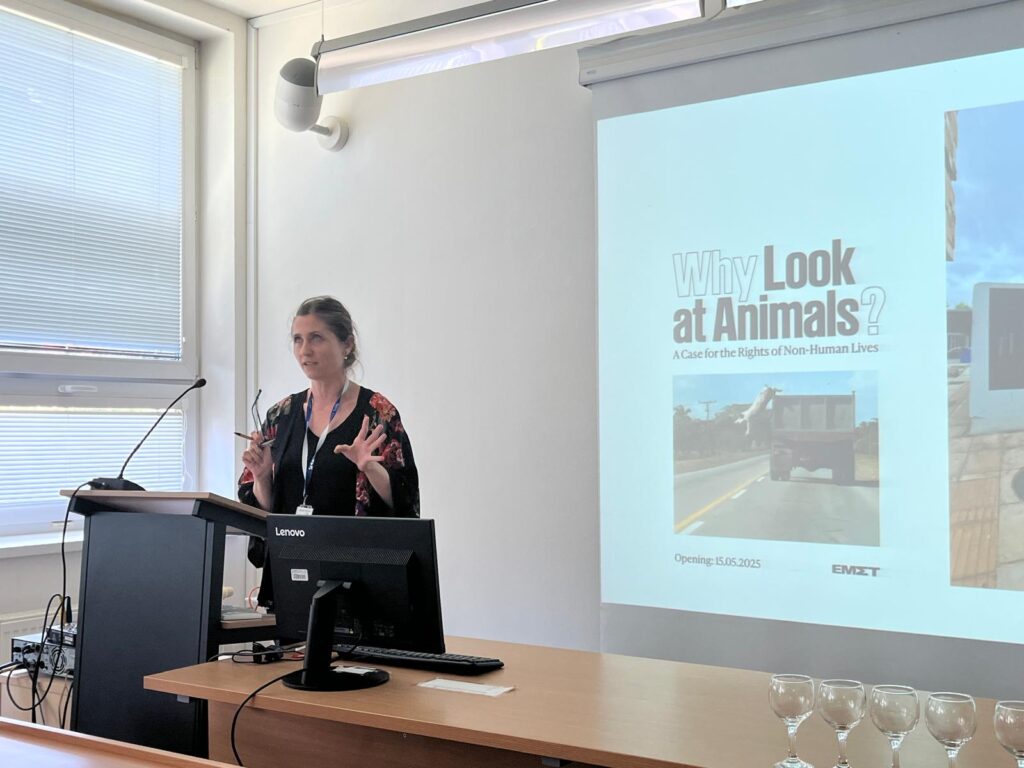
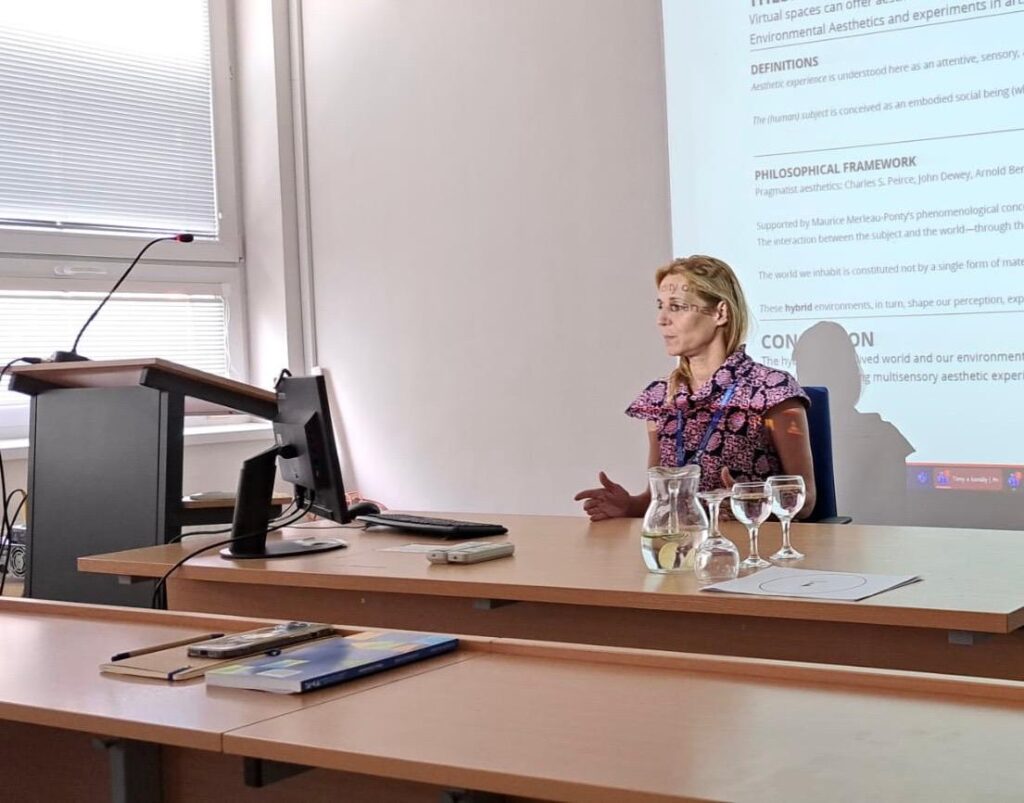
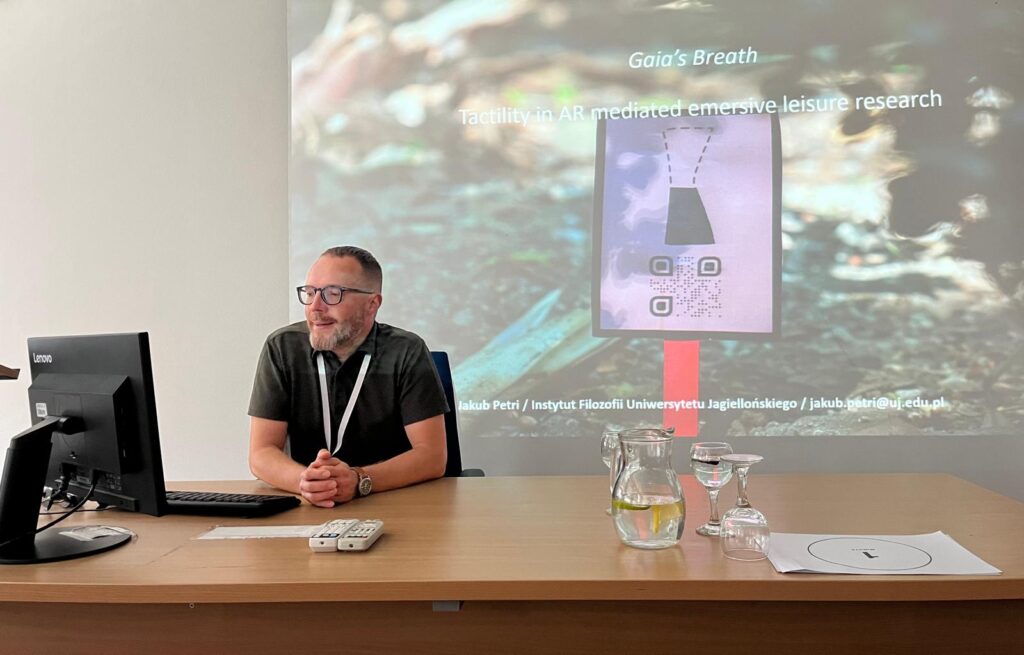
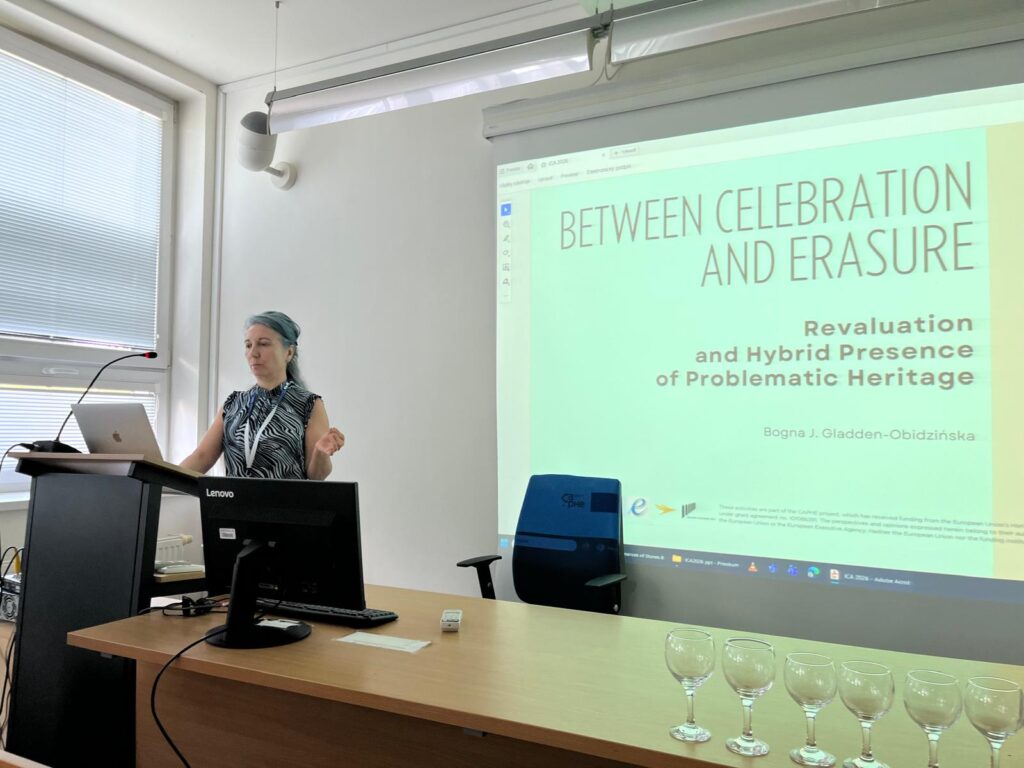
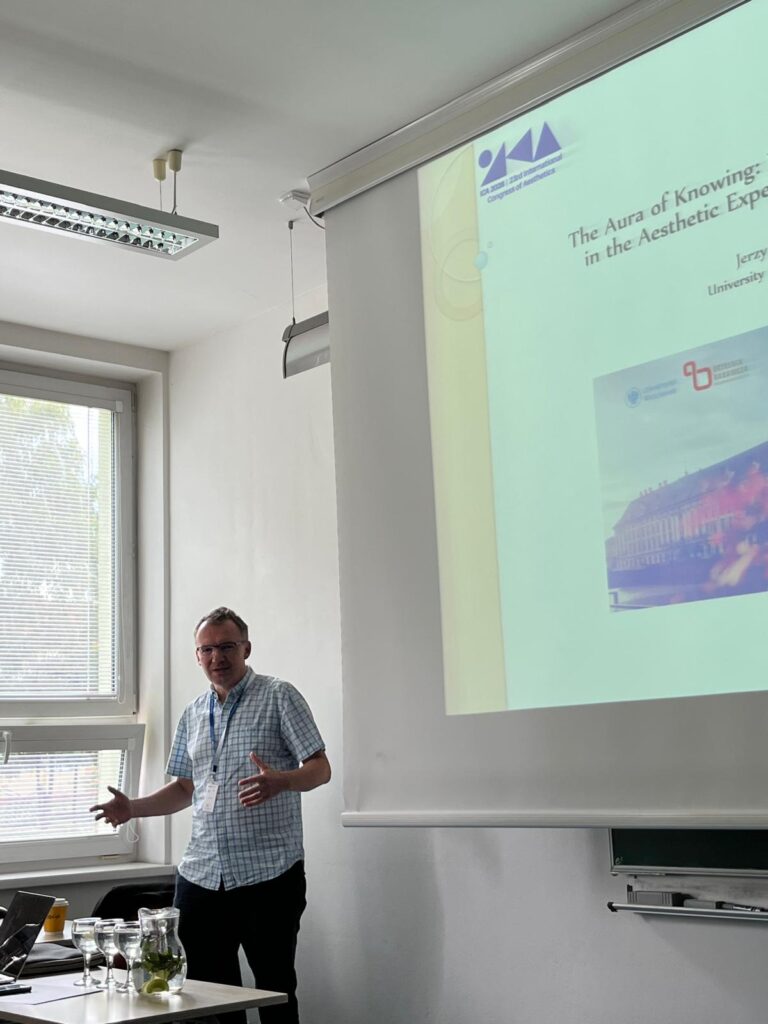
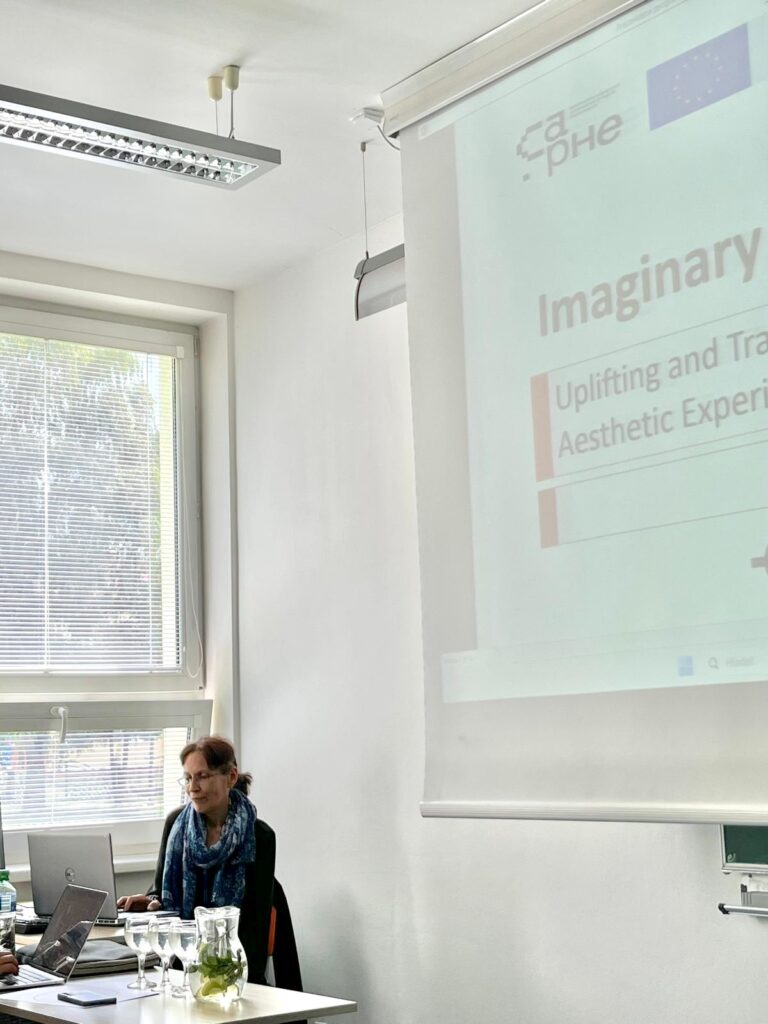
The congress also featured presentations by other members of the Polish Society of Aesthetics, including Mateusz Salwa and Jerzy Luty, highlighting the breadth of contemporary Polish research in aesthetics and its active participation in international scholarly debate.
Beyond the presentation of research, the congress created valuable opportunities for strengthening existing partnerships and establishing new international collaborations. Members of the CAPHE community also participated in meetings of the International Association for Aesthetics (IAA), discussing future directions for international cooperation and academic publishing. During the congress, the newly elected leadership of the IAA officially began its term of office, with Prof. Adrian Kvokačka, a long-standing member of the Polish Society for Aesthetics and a participant in earlier CAPHE activities, assuming the role of President.
The scientific programme was enriched by inspiring keynote lectures delivered by María José Alcaraz León, Yuriko Saito, and Wolfgang Welsch, stimulating discussions throughout the congress.
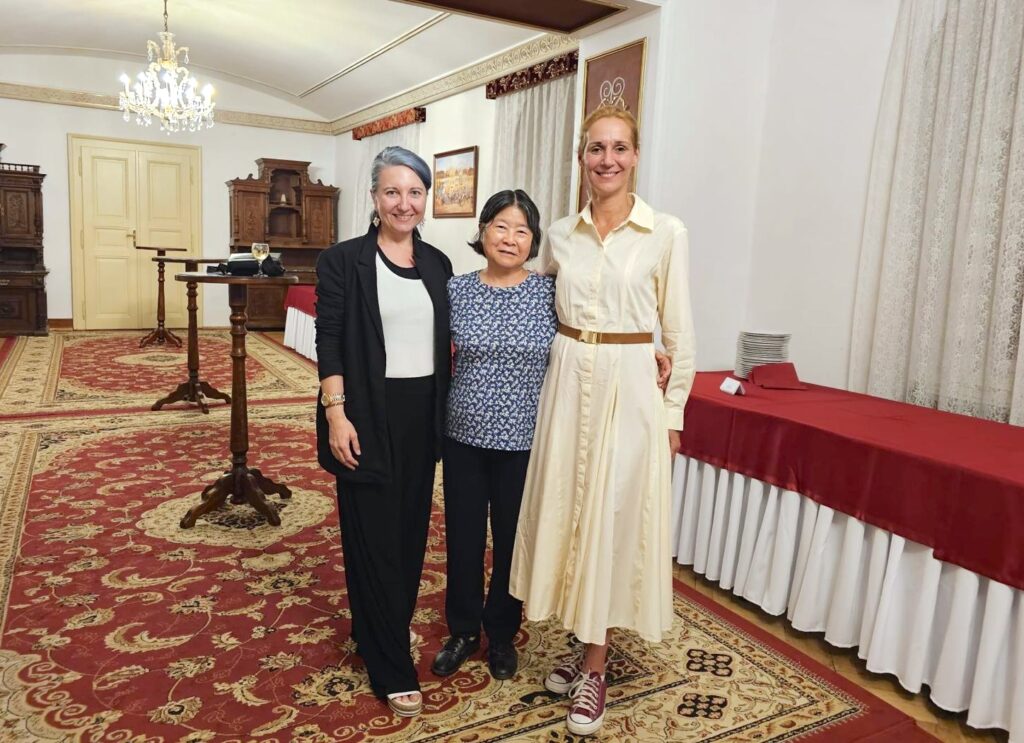
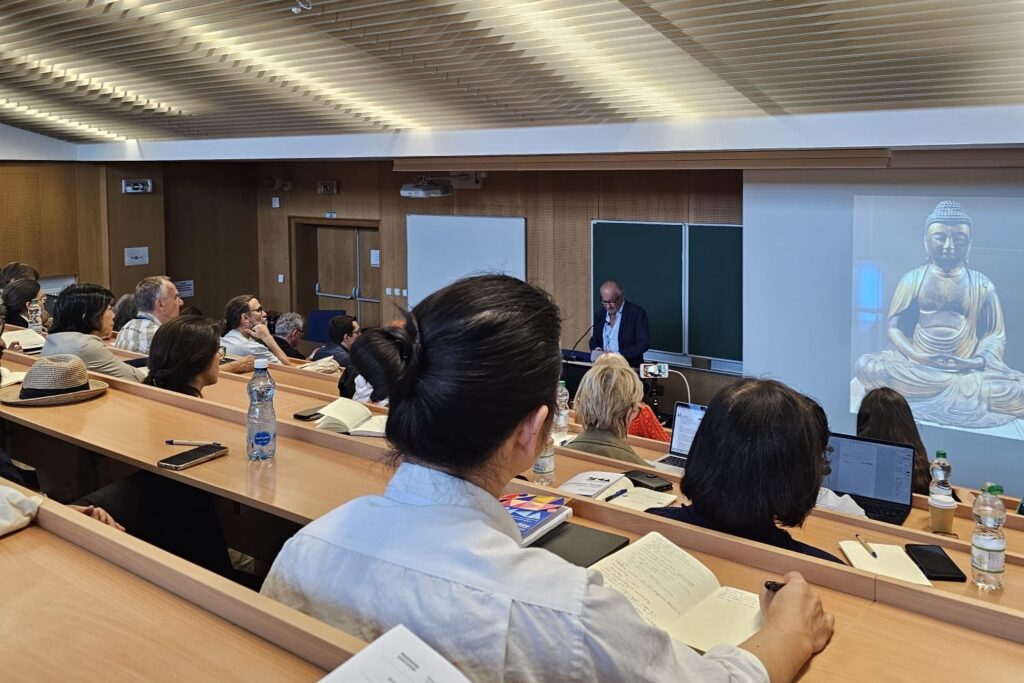
The organisers—doc. Mgr. PhD Adrian Kvokačka, doc. Mgr. PhD Lukáš Makky, doc. Mgr. PhD Jana Migášová, and Prof. Slavka Kopáčová—created an event distinguished by its high scientific quality, excellent organisation and exceptionally welcoming atmosphere. Our sincere thanks also go to the outstanding team of volunteers, whose professionalism, enthusiasm and kindness contributed enormously to the success of the congress.
The accompanying programme, including the excursion to Spiš Castle and Štrbské Pleso in the High Tatras, together with the congress social dinner and concert, complemented the scientific sessions by offering participants a rich spectrum of aesthetic experiences while creating ideal conditions for informal networking and deeper international collaboration.
Participation in the congress confirmed that CAPHE has evolved beyond a research project into a vibrant international research community. The collaborations initiated within the project continue to generate new research, strengthen institutional partnerships and inspire future initiatives in aesthetics, cultural heritage and immersive technologies.